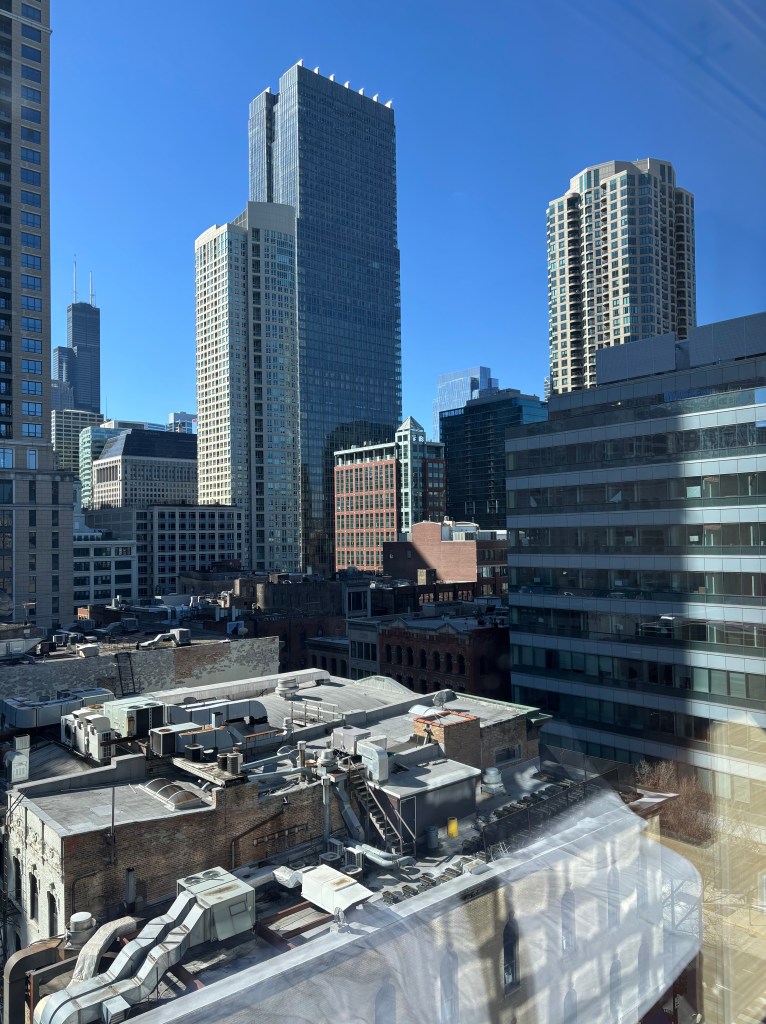
During their spring break, 98 students from Howard University traded rest for responsibility, traveling from Washington, D.C., to Chicago, Illinois, for a week of service rooted in youth empowerment and restorative justice. Across the city’s West and South Sides, these students stepped into classrooms, community centers, and juvenile detention facilities, continuing a legacy of Black service that extends far beyond Howard’s campus.
Departing on March 7, the group embarked on a 12-hour journey to Chicago. Though many boarded the bus as strangers, they arrived connected by a shared purpose: to serve, to learn, and to pour back into communities that reflect their own.
The week began with an alumni dinner that underscored the power of intergenerational Black leadership. Chicago-based Howard graduates welcomed the students not just as visitors, but as family. Among them was Ashley Smith, a 2015 graduate, who encouraged students to approach the experience with intention.
“Be open to the experience,” Smith said. “Talk to as many people as possible, hear their stories and life experiences, because it is their stories that are going to keep you encouraged to give back.”
Throughout the week, students split into six groups and worked alongside local organizations addressing education gaps, language barriers, and youth development. At Erie Neighborhood House, volunteers taught English to immigrant families. In schools like Alex Haley Elementary and Simeon Career Academy, they mentored K–12 students, offering both academic support and representation that many young people rarely encounter.
Inside the Cook County Juvenile Center, the work took on a deeper urgency. Howard students sat face-to-face with incarcerated youth, engaging in honest conversations about life beyond the justice system. Many of the young people asked about college and trade schools. They wondered how to build futures that felt out of reach. Volunteers responded, serving as real examples of what their futures could be, showing what possibility can look like.
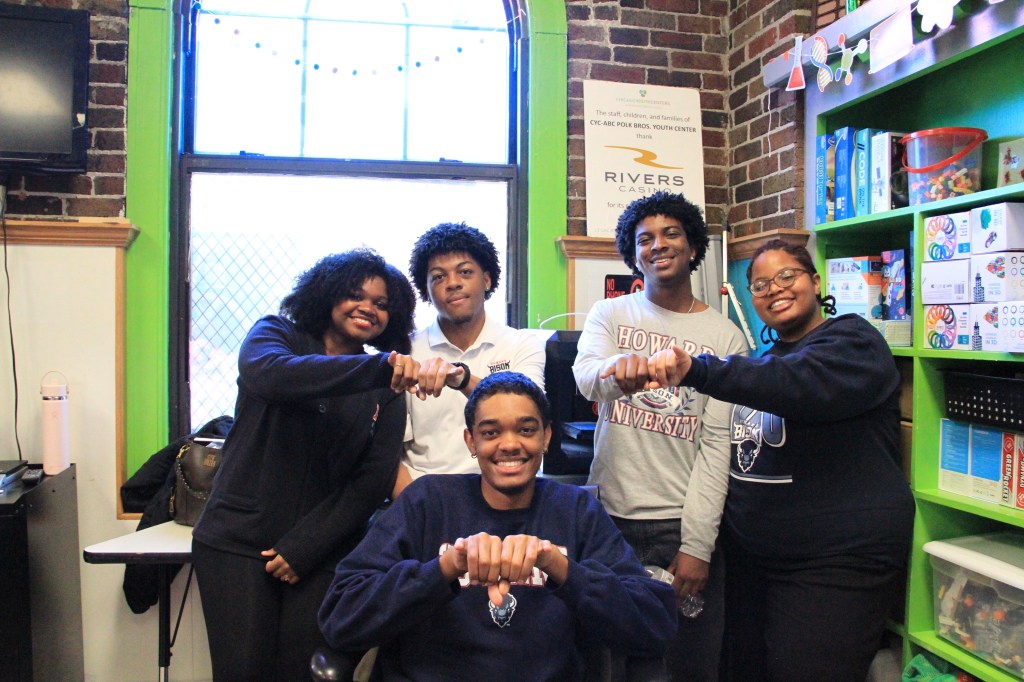
For many students, these moments were reflections of shared realities. In communities where access and exposure are often limited, the presence of young Black college students served as both inspiration and interruption to the stereotypical narratives these youth are often given.
That impact, according to community leaders, is long-term. In an interview, Clarence Hogan, director of the Sidney Epstein Chicago Youth Center, emphasized how Howard’s presence continues to shape young minds.
“A lot of my students don’t know what an HBCU is, some of them haven’t even begun to think about what it means to go to college,” Hogan said. “Howard’s impact is not something that you see immediately, but it plants seeds in the youth’s minds and encourages them to chase their dreams.”
Programs like Howard’s Alternative Spring Break reflect a broader tradition within HBCU culture, one rooted in service and community engagement. For students, the experience is about more than giving back, it is about understanding their role within a larger movement of change.
By the end of the week, the 98 students who began as strangers returned to D.C. as a community. But the most lasting impact may not be what they carried home, it is what they left behind.
In classrooms, community centers, and detention facilities across Chicago, seeds were planted. Seeds of possibility, of awareness, and of belief. And long after the buses returned to Howard’s campus, those seeds continue to grow.


Leave a Reply