
Selfies, though seemingly harmless, hold the power to reshape how we see ourselves and how we perform for others. As discussed in The Rise of Selfies, the front-facing camera transformed self-portraiture into an everyday act of authorship. We are no longer passive subjects captured by others, we are curators of our own image. Yet the article in The Irish Times on selfie-related fatalities reveals the darker edge of this phenomenon, when the pursuit of the perfect image turns risky or even deadly. The question is not simply what a selfie shows, but what motivates the hand behind the camera.
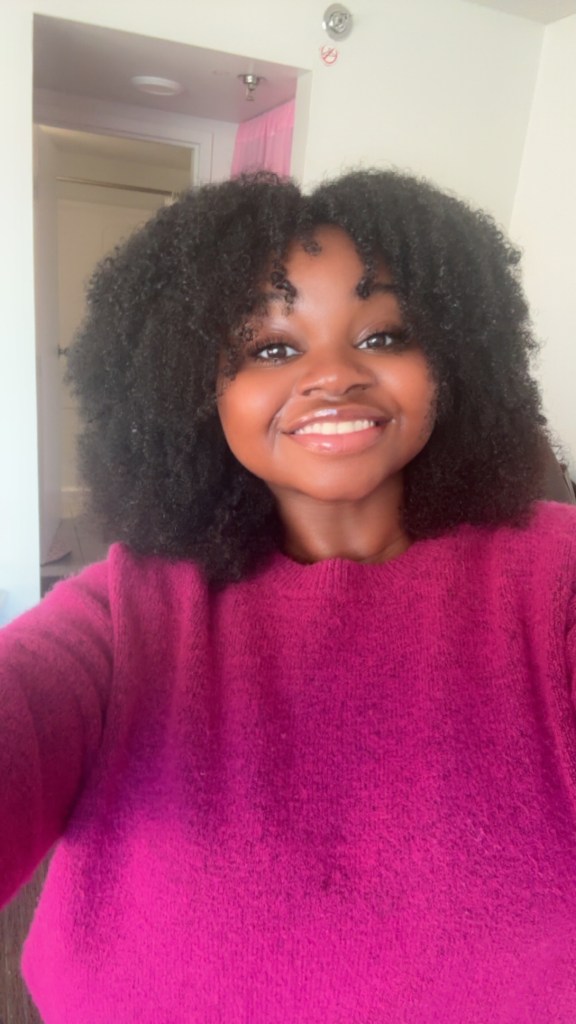
For me, my selfies represent growth. There was a time when even looking in the mirror felt unbearable because I struggled with low self-esteem. Taking selfies now is not about vanity, it is about reclamation. On difficult days, a photo can remind me that I deserve to occupy space confidently. It documents my decision to see beauty in myself, not as perfection, but as acceptance. In that sense, my selfie is evidence of healing.

But I am aware that this meaning is not universal. For some, selfies become performative, curated for validation rather than expression. The readings describe people risking their lives for attention, climbing dangerous heights or standing too close to moving trains for a single post. Some people even use their selfies to distort their own reality with excessive filters and editing of their natural features. Others distort reality more subtly, attending protests or public events primarily to signal virtue or “wokeness” online. When the image matters more than the integrity of the action, the line has been crossed.
As producers of media, we carry responsibility. Every selfie contributes to a culture of representation. Before posting, I must ask whether I am sharing the truth or constructing an illusion. In a world saturated with images, authenticity is an ethical choice.
 Media By Mariam
Leave a comment