Identity is an inescapable part of the human experience. It lingers in every decision and belief that writers, reporters, and people make. Nuanced distinctions between race, gender, and culture are among the most complex and unique aspects of being human, and they inevitably shape how stories are told and received.
In media, identity deeply affects how different groups respond to and internalize the news. Stories that may feel distant or even dehumanized to a white audience can mean everything to minority audiences and, in some cases, may be the only representation they ever see. It ultimately comes down to lived experience. People interpret stories through the lens of what they have known.
Historically, media was never created to center minority voices. Because of this, consumers from higher social standings have long operated under the assumption that their perspectives are the most valuable. When marginalized communities are represented, it is often through stereotypical portrayals that minorities immediately recognize as untrue. Wealthy, white, and able-bodied audiences, however, are not always inclined to question these narratives, because they have never had to. They have always seen themselves reflected in countless stories, while minorities have often been reduced to a single damaging narrative.
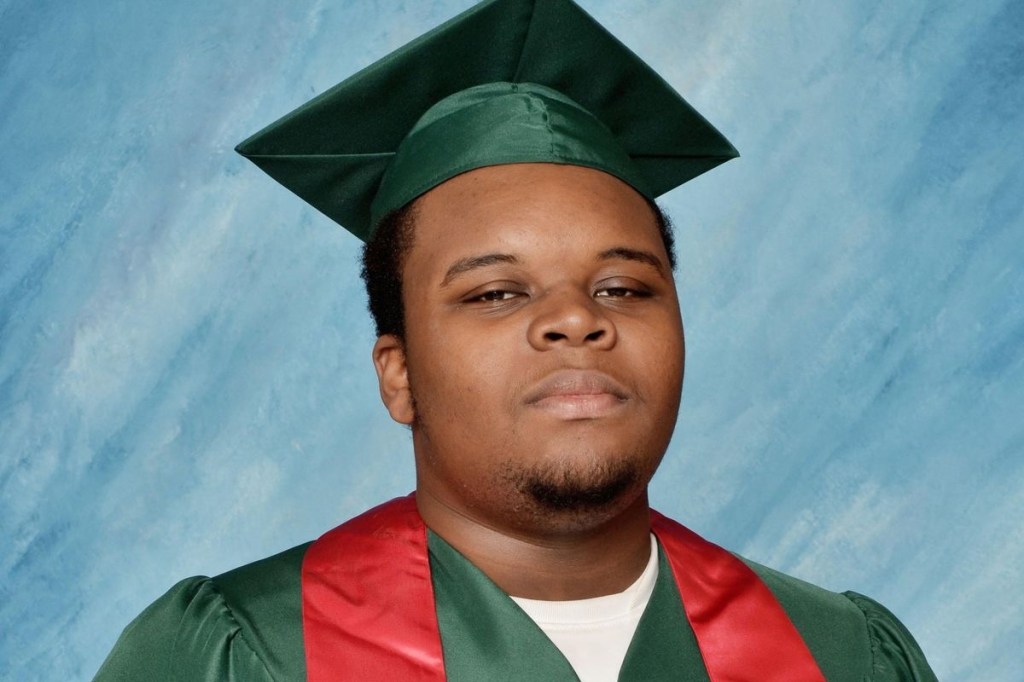
This dynamic was evident in the media response to the Ferguson Rebellion. Black audiences grew exhausted watching their people, specifically Mike Brown, be murdered without true justice while the media redirected blame onto the victims. Unarmed Black protesters were met with tear gas and violence, while armed white protesters in other movements faced little to no police resistance. Identity, in moments like these, dictates who is heard and who is silenced. This imbalance strains marginalized communities’ relationship with the media, forcing them to feel more deeply about stories because they may be the only ones they are given unless they fight to change the conversation.
It is the responsibility of future media producers to center important stories, regardless of whether they involve minority identities. Ignoring these lives only perpetuates erasure.
 Media By Mariam
Leave a comment